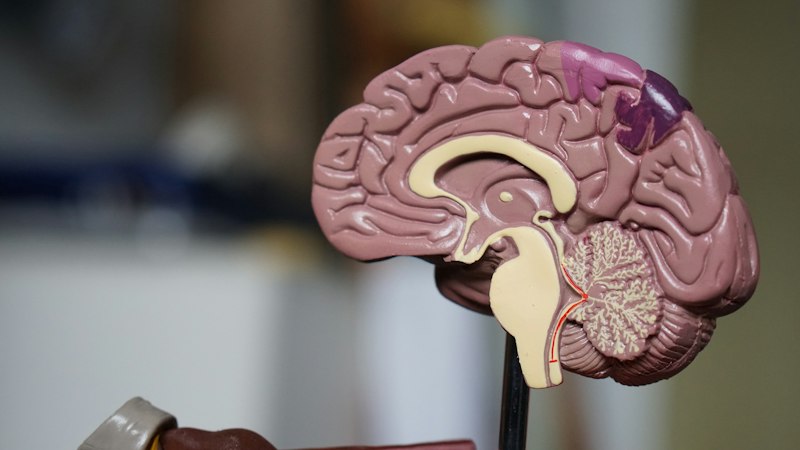
A comprehensive evidence-based resource on Parkinson's disease, its variants, early detection, prevention, and living well with the condition.
Parkinson's disease is a progressive neurodegenerative condition caused by the loss of dopamine-producing neurons in the brain's substantia nigra.
It is the second most common neurodegenerative disorder after Alzheimer's disease, affecting approximately 1–2% of people over 60. The disease is characterised by motor symptoms — tremor, rigidity, and slowness of movement — as well as a wide range of non-motor features that can precede motor signs by a decade.
There is currently no cure, but significant advances have been made in symptom management, neuroprotective research, and quality-of-life interventions.
Causes, symptoms, diagnosis, and global epidemiology of Parkinson's disease.
MSA-C, MSA-P, PSP, CBD, and DLB — related conditions explained clearly.
Pre-motor warning signs, biomarkers, and diagnostic tests explained.
Evidence-based lifestyle strategies to reduce Parkinson's risk.
Medications, DBS, therapies, and management strategies for PD.
Exercise programmes proven to help people living with Parkinson's.
Emotional, social, nutritional, and practical wellbeing strategies.
Trusted organisations, support groups, and helplines worldwide.
Parkinson's is a global health challenge with significant and growing prevalence worldwide.
Global PD prevalence has doubled in the past 25 years, driven by aging populations. An estimated 14.2 million people will live with PD by 2040.
Average onset is in the early-to-mid 60s. Only 5–10% of cases are "early-onset" (before age 50). Incidence rises sharply after age 60.
PD is 1.5× more common in men globally. Women often experience different symptom profiles, and face longer diagnostic delays.
PD occurs in every country and population. North America and Europe have the highest reported rates; significant underdiagnosis in low-income regions.
Fewer than 10–15% of cases have a clear genetic cause. Variants in LRRK2, SNCA, PINK1, and GBA genes are linked to increased risk.
Current treatments manage symptoms but do not halt neurodegeneration. Neuroprotective trials are underway. Gene therapy and alpha-synuclein targeting are promising frontiers.

What Parkinson's is, how it works, who it affects, and why it happens.
A chronic, progressive neurological disorder characterised by the loss of dopamine-producing neurons in the substantia nigra region of the brain.
Parkinson's disease (PD) is caused by the gradual degeneration of dopaminergic neurons in the substantia nigra — a region of the midbrain vital for smooth, coordinated movement. Dopamine is the neurotransmitter these cells produce; as their numbers decline, movement control is progressively impaired.
A pathological hallmark is the presence of Lewy bodies — abnormal clumps of misfolded alpha-synuclein protein inside neurons. Their spread through the nervous system is thought to underlie the progression of the disease.
PD is a highly heterogeneous condition — two people with the same diagnosis may have very different symptoms, rates of progression, and treatment responses.
Parkinson's disease affects people in every country, with prevalence rising as populations age worldwide.
| Region | Estimated Prevalence | Key Notes |
|---|---|---|
| Global | ~10 million (2024) | Rising rapidly; estimated 14.2 million by 2040 |
| North America | ~1.2 million (USA) | Well-documented; high diagnosis rates |
| Europe | ~1.2 million | Aging population driving rapid growth |
| India | ~1 million+ | Significant underdiagnosis; specialist shortage |
| China & East Asia | ~2+ million | Largest absolute numbers globally |
| Sub-Saharan Africa | Very low reported | Significant underdiagnosis due to lack of infrastructure |
The exact cause remains unknown in most cases. Evidence points to a combination of genetic susceptibility, environmental exposures, and cellular dysfunction.
Variants in genes including LRRK2, SNCA, PINK1, PARK7, PRKN, and GBA have been linked to PD. Fewer than 10–15% of cases have a clear genetic cause.
Prolonged exposure to pesticides (paraquat, rotenone), herbicides, heavy metals, and solvents such as trichloroethylene (TCE) increases risk significantly.
Age is the single greatest risk factor. Average onset is in the early-to-mid 60s; incidence rises sharply with age. Only 5–10% of cases occur before age 50.
Misfolded alpha-synuclein clumps into Lewy bodies inside neurons, disrupting cell function. This process may begin in the gut and spread to the brain over years.
PD is approximately 1.5× more common in men globally. Oestrogen is thought to have neuroprotective effects. Women often experience diagnostic delays.
Abnormalities in mitochondria make dopaminergic neurons more vulnerable to damage. This is a key target for emerging neuroprotective therapies.
Motor symptoms are the most visible signs of PD. They typically start on one side of the body and gradually spread.
Rhythmic shaking, typically starting in a hand or fingers. Occurs at rest and lessens during movement. Present in ~75% of PD cases.
Slowness of movement. Everyday tasks take longer; steps shorten; facial expression diminishes ("masked face"). Often the most disabling motor symptom.
Stiffness and resistance to movement in limbs or trunk. Causes pain and a stooped posture. Often mistaken for arthritis in early stages.
Impaired balance, usually appearing in later stages. A leading cause of falls, injury, and hospitalisation. Particularly dangerous in Parkinson's-plus syndromes.
Handwriting that becomes progressively smaller and more cramped. Often an early and subtle sign noticed before other motor symptoms develop.
Voice may become soft, monotone, or slurred. Swallowing difficulties can develop as the disease progresses, raising aspiration risk.
Non-motor symptoms can be more disabling than motor symptoms and often precede the movement problems by years — yet are frequently under-recognised.
Memory difficulties, slowed thinking, and executive dysfunction are common. In later stages, Parkinson's disease dementia can develop in up to 80% of patients.
Up to 50% of people with PD experience depression, stemming from both emotional impact and neurochemical changes. Often precedes motor diagnosis.
REM sleep behaviour disorder can precede motor symptoms by a decade. Insomnia, excessive daytime sleepiness, and restless legs are common.
Reduced sense of smell (hyposmia) affects up to 90% of people with PD and can precede diagnosis by years. Frequently overlooked in clinical assessment.
Constipation (often years before diagnosis), dizziness on standing, urinary urgency, and excessive sweating from autonomic nervous system involvement.
Chronic musculoskeletal pain and profound fatigue are very common but frequently under-recognised aspects of PD that significantly impact quality of life.
MSA-C, MSA-P, PSP, CBD, and DLB — conditions related to but distinct from classic Parkinson's disease.
Parkinson's disease is the most common form of parkinsonism, but several related conditions share its features while affecting additional brain systems and progressing more rapidly.
MSA-C is a rare, progressive neurodegenerative disorder where the "C" stands for cerebellar. More prevalent in Asian populations. Both MSA types are caused by alpha-synuclein accumulation in glial cells (not neurons as in PD), distinguishing them from classic PD.
MSA-P closely resembles classic Parkinson's disease early on but involves broader neurological damage, especially to the autonomic nervous system. Commonly misdiagnosed as PD. Key distinction: autonomic symptoms are earlier and more severe, and levodopa provides little lasting benefit.
PSP is caused by abnormal tau protein accumulating in specific brain regions. A hallmark is difficulty voluntarily moving the eyes up and down (vertical gaze palsy). Early falls — typically backwards — are another distinguishing sign.
CBD involves tau protein accumulation in the cerebral cortex and basal ganglia, causing a strikingly asymmetric presentation. "Alien limb" syndrome — a limb that moves involuntarily — is a distinctive feature.
DLB is the second most common progressive dementia after Alzheimer's. Key features — vivid visual hallucinations, fluctuating cognition, and REM sleep behaviour disorder — appear early, often before significant motor symptoms.
| Condition | Protein | Levodopa Response | Hallmark Feature | Survival |
|---|---|---|---|---|
| Parkinson's Disease | α-synuclein (neurons) | Good (initially) | Resting tremor, asymmetric | Near-normal |
| MSA-C | α-synuclein (glia) | Poor | Cerebellar ataxia + autonomic failure | 6–10 yrs |
| MSA-P | α-synuclein (glia) | Poor | Parkinsonism + severe autonomic dysfunction | 7–9 yrs |
| PSP | Tau (4R) | Poor | Vertical gaze palsy, backward falls | ~9–10 yrs |
| CBD / CBS | Tau (4R) | Poor | Alien limb, asymmetric apraxia | 6–8 yrs |
| DLB | α-synuclein (widespread) | Variable | Early hallucinations, cognitive fluctuation | ~5–7 yrs |
Pre-motor warning signs, clinical tests, and emerging biomarkers for Parkinson's disease.
By the time motor symptoms appear, up to 80% of dopamine-producing neurons may already be lost — making early detection the most critical frontier in Parkinson's research.
One of the greatest challenges with Parkinson's disease is that neurodegeneration begins years — sometimes a decade or more — before the characteristic motor symptoms appear. This "pre-motor" or "prodromal" period represents a critical window for future neuroprotective interventions.
Currently, there is no single definitive test for PD. Diagnosis is primarily clinical — based on symptoms, history, physical examination, and neurological testing. However, a growing arsenal of biomarkers, imaging tools, and genetic tests is improving early detection.
These symptoms can appear years or even a decade before motor signs emerge.
Reduced or absent sense of smell affects up to 90% of people with PD and can precede diagnosis by many years. A key pre-motor biomarker.
Physically acting out vivid dreams during sleep. Present in up to 80% of people who will develop PD — often 10+ years before motor symptoms.
Chronic constipation (fewer than one bowel movement per day) is among the earliest autonomic signs. Alpha-synuclein may begin accumulating in gut neurons.
Neurochemical changes in early PD can trigger depression, anxiety, and mood changes years before motor symptoms are noticed.
Orthostatic hypotension (dizziness when standing) from early autonomic dysfunction can be a pre-motor indicator.
Early micrographia or changes in fine motor control can be a very subtle, early indicator of dopaminergic dysfunction.
A gradually softening voice (hypophonia) is an early motor sign that is often missed and attributed to other causes.
Subtle difficulties with multitasking, word-finding, or executive function can precede a formal PD diagnosis in some individuals.
The gold standard remains a thorough neurological examination by a movement disorder specialist. The UK Brain Bank criteria guide clinical diagnosis.
A significant improvement in motor symptoms after levodopa administration strongly supports a diagnosis of idiopathic Parkinson's disease.
Dopamine transporter imaging can confirm reduced dopamine uptake in the basal ganglia, supporting PD diagnosis and distinguishing from essential tremor.
Standard MRI is usually normal in PD but can help exclude other causes. Specific MRI patterns (e.g. "hummingbird sign" on MRI) support PSP diagnosis.
Panel testing for LRRK2, GBA, SNCA, and other variants is available, particularly relevant for early-onset cases or those with family history.
Alpha-synuclein seed amplification assays (SAA) in CSF show ~85% sensitivity. Blood biomarkers (neurofilament light chain, GFAP) are under active research.
A 2024 study showed skin biopsy for phosphorylated alpha-synuclein had high sensitivity and specificity, offering a minimally invasive diagnostic option.
Formal assessment of REM sleep behaviour disorder. A positive result in the right clinical context strongly supports prodromal Parkinson's or related synucleinopathy.
Evidence-based lifestyle strategies that may reduce the risk or delay onset of Parkinson's disease.
Physical activity has the strongest evidence of any lifestyle intervention for reducing PD risk and slowing progression.
Studies show 3+ hours of vigorous aerobic exercise per week is associated with a 45% reduced risk of PD. Exercise promotes BDNF, protects dopaminergic neurons, and improves mitochondrial function. Walking, cycling, swimming, and dancing all count.
Multiple large cohort studies link regular coffee and caffeine intake (2–3 cups/day) with significantly reduced PD risk, especially in men and non-users of post-menopausal HRT. Mechanisms include adenosine receptor antagonism, which is neuroprotective.
Diets rich in vegetables, olive oil, fish, nuts, and whole grains are associated with lower PD risk. The MIND diet (Mediterranean-DASH hybrid) specifically shows neuroprotective benefits. High flavonoid intake from berries and citrus is particularly noted.
Tai Chi has shown particular benefits for balance, gait, and fall prevention in PD, and may have preventive value in high-risk populations. 2–3 sessions per week with sustained long-term practice is recommended.
Omega-3s (fatty fish, flaxseed, walnuts) have anti-inflammatory properties and may support neuronal membrane integrity. Some studies find an inverse relationship between omega-3 intake and PD risk.
Research supports the gut-brain axis in PD pathogenesis — alpha-synuclein misfolding may begin in the gut before spreading to the brain. A fibre-rich diet supporting microbiome diversity, fermented foods, and probiotics may be beneficial.
Agricultural pesticides — especially paraquat and rotenone — are among the most consistently replicated environmental risk factors for PD. Farm workers and rural populations face higher risk. Wear full PPE when handling pesticides; wash all produce thoroughly.
Traumatic brain injuries (TBI) — especially repeated impacts — are a recognised risk factor for PD. Athletes in contact sports and military veterans face elevated risk. Wear appropriate helmets; follow head injury protocols after any TBI.
Trichloroethylene (TCE) — used in metal degreasing and dry cleaning — has been linked to elevated PD risk. Follow occupational safety guidelines; use appropriate PPE.
Chronic sleep disruption may accelerate neurodegeneration. Treating REM sleep behaviour disorder early is especially important. Maintain consistent sleep schedules; address insomnia with CBT where possible.
Maintaining brain reserve through lifelong learning, social engagement, and mentally stimulating activities may reduce dementia risk and support neurological resilience.
Urban air pollution (fine particulate matter PM2.5) has been associated with increased PD incidence in several large epidemiological studies. Minimise exposure to heavy traffic; use air purifiers indoors.
Medications, surgical procedures, and therapies that manage symptoms and improve quality of life.
There is currently no disease-modifying treatment for Parkinson's disease. All approved therapies target symptoms, primarily by restoring or mimicking dopamine function.
The gold standard of PD treatment. Levodopa converts to dopamine in the brain; carbidopa prevents premature conversion outside the brain.
Mimic the action of dopamine at dopamine receptors. Often used in early PD or combined with levodopa.
Reduce breakdown of dopamine in the brain. Used as monotherapy early or as adjuncts to levodopa.
Extend the duration of levodopa effect by blocking its breakdown. Used to reduce "off" periods.
An antiviral with anti-parkinsonian and anti-dyskinesia properties. Mechanism includes NMDA receptor antagonism.
Older agents used primarily for tremor-dominant PD, but with significant side effects limiting use in older adults.
High-frequency electrical stimulation of specific brain targets (STN or GPi) via implanted electrodes. Most effective advanced therapy for motor fluctuations and dyskinesias.
Continuous infusion of levodopa gel directly into the small intestine via a gastrostomy tube, providing stable drug delivery.
Non-invasive procedure using focused ultrasound waves to ablate targeted brain tissue (thalamus/STN), primarily for tremor-dominant PD.
Continuous subcutaneous infusion or rescue pen injections of apomorphine (dopamine agonist) for management of severe "off" periods and dyskinesias.
Essential for maintaining mobility, balance, and preventing falls. LSVT BIG (intensive amplitude-based training) shows strong evidence for improving movement in PD.
LSVT LOUD is an evidence-based programme improving voice volume and clarity. Also addresses dysphagia (swallowing difficulties).
Maintains independence in daily activities (dressing, eating, cooking). Recommends assistive devices. Addresses cognitive fatigue and workplace adaptations.
Cognitive rehabilitation strategies, psychological support for depression/anxiety, and management of PD-related cognitive changes and dementia.
Protein timing with levodopa, Mediterranean diet guidance, management of constipation and weight maintenance — critical aspects of PD management often overlooked.
Advance care planning and specialist palliative support are important aspects of care in later-stage PD and Parkinson's-plus syndromes, focusing on comfort and dignity.
Evidence-based exercise programmes that improve motor function, balance, and quality of life.
Exercise is one of the most powerful interventions available for people with Parkinson's disease, with evidence for neuroprotective effects, motor improvement, and significantly enhanced quality of life.
High-intensity exercise promotes BDNF (brain-derived neurotrophic factor), supports dopaminergic neuron health, and may slow neurodegeneration.
Targeted balance and gait training significantly reduces fall frequency — a major cause of morbidity and hospitalisation in PD.
Regular exercise reduces depression, anxiety, and sleep disturbances — common and debilitating non-motor symptoms of PD.
Aerobic exercise supports cognitive function and may slow dementia progression in people with PD.
Large, exaggerated movements to counteract bradykinesia and rigidity. Strong clinical evidence.
Non-contact boxing training specifically adapted for Parkinson's patients. Improves strength, coordination, and balance.
Slow, meditative movements that significantly improve balance and reduce falls in people with Parkinson's disease.
Evidence-based dance classes designed specifically for people with Parkinson's. Mark Morris Dance Group programme.
Pole-assisted walking improves gait, posture, and cardiovascular fitness. Safe and highly accessible exercise option.
Gentle yoga adapted for Parkinson's — improves flexibility, reduces rigidity, and supports emotional wellbeing.
Strategies for emotional, social, nutritional, and practical wellbeing for people with PD and their caregivers.
Living well with Parkinson's is possible with a comprehensive, person-centred approach that addresses physical, emotional, social, and practical dimensions.
Regular exercise tailored to individual ability — the single most evidence-backed quality-of-life intervention.
Mediterranean diet, hydration, fibre for constipation, protein timing with levodopa medication.
Addressing depression, anxiety, and grief around diagnosis with therapy, medication, and peer support.
Support groups, maintaining relationships, and combating isolation — critical for mental and physical health.
Managing REM sleep disorders, insomnia, and daytime sleepiness with appropriate interventions.
Mental stimulation, brain training, and early management of cognitive changes and dementia risk.
Consistent medication timing, managing fluctuations, and maintaining open communication with your neurologist.
Carers need their own support, respite, and resources. Caregiver burnout is a serious concern.
Rich in vegetables, fruits, olive oil, legumes, whole grains, fish. Reduces neuroinflammation and supports brain health.
Protein competes with levodopa absorption. Many people benefit from taking levodopa 30–45 minutes before protein-rich meals. Discuss timing with your neurologist.
Adequate hydration helps manage constipation, orthostatic hypotension, and urinary issues common in PD. Aim for 1.5–2 litres of water daily.
High-fibre diet (fruits, vegetables, whole grains, psyllium husk) and adequate hydration are first-line approaches for PD-related constipation.
2–3 cups of caffeinated coffee or tea per day may have neuroprotective benefits and can help manage daytime sleepiness.
Anti-inflammatory plant compounds in turmeric, berries, and dark chocolate may support neuronal health. Include naturally in diet where possible.
Trusted international and Indian organisations, helplines, and support groups for people with Parkinson's disease and their families.
Helpline, research, care guides, and international resources. Leading global PD organisation.
parkinson.orgWorld's largest private funder of PD research. Clinical trials, news, and patient resources.
michaeljfox.orgUS National Institute of Neurological Disorders and Stroke. Clinical trials, research updates, and patient information.
ninds.nih.govDedicated to PSP, CBD, MSA, and related disorders. Support, research funding, and caregiver resources.
curepsp.orgDedicated support, information, and research funding for Multiple System Atrophy patients and families.
multiplesystematrophy.orgPan-European patient advocacy and awareness organisation. Country-specific resources across Europe.
parkinsonseurope.orgHome of LSVT BIG & LSVT LOUD — the leading evidence-based exercise and speech therapy programmes for PD.
lsvtglobal.comInternational programme of adapted dance classes for people with Parkinson's disease.
danceforpd.orgLeading Indian PD organisation. Support groups, rehabilitation, caregiver training, and specialist network.
parkinsonssocietyindia.comNeurological awareness and support for Indian patients. Specialist referrals and educational resources.
brainsociety.inNational Institute of Mental Health and Neurosciences. Premier neurological care and research in India.
nimhans.ac.inAll India Institute of Medical Sciences. Premier PD research and specialist movement disorder clinic.
aiims.eduPeer-reviewed journals, institutional sources, and clinical guidelines informing this resource.
Educational Purposes Only: The information on this website is intended solely for general informational and educational awareness purposes. It does not constitute medical advice, diagnosis, or treatment.
Not a Substitute for Medical Care: Always seek the advice of your physician, neurologist, or other qualified health provider regarding any medical condition. Never disregard professional medical advice because of something you have read here.
Treatment Decisions: Treatment for Parkinson's disease is highly individualised and must be determined by qualified healthcare professionals who can evaluate the specific circumstances of each patient.
Emergency Situations: If you or someone else is experiencing a medical emergency, call emergency services immediately (112 in India; 911 in the USA). Do not rely on information from this website in an emergency.
Medical Information Currency: Medical knowledge evolves rapidly. While we have endeavoured to provide accurate, up-to-date information based on sources current as of 2024–2026, always verify medical information with a qualified healthcare professional.
The people and organisations who made this resource possible.
This website is first and foremost dedicated to my grandmother, Mrs Rita Kapoor, who was unexpectedly diagnosed with MSA-C (Multiple System Atrophy — Cerebellar type) in 2025. Her diagnosis was the spark that ignited this project — a desire to understand, to share, and to make sure that no family has to navigate this condition without clear and compassionate information.
It is also dedicated to everyone living with Parkinson's disease and its variants, those who care for them, and the researchers who work every day toward better treatments and, one day, a cure. Your resilience and courage are the reason resources like this exist. Thank you to every organisation, scientist, and clinician whose publicly shared knowledge made this possible — and to Holmdel High School for fostering the spirit of inquiry and purpose that inspired this project.
Parkinson's disease affects over 10 million people worldwide, yet accessible, high-quality information remains scarce for many patients and families — particularly in India. This website was built to bridge that gap: to bring together credible science, clinical guidance, and human-centred compassion in one freely available resource.
This resource draws on the work of world-leading organisations dedicated to Parkinson's disease research, care, and advocacy. We are profoundly grateful for their publicly available educational materials.
For their comprehensive educational library, helpline resources, and tireless global advocacy for people living with PD.
For pioneering the Parkinson's Progression Markers Initiative (PPMI) and funding the world's most ambitious PD biomarker and drug discovery research.
The US National Institute of Neurological Disorders and Stroke, whose publicly accessible clinical information and research funding underpin much of what we know about PD.
For the landmark 2022 Parkinson Disease: A Public Health Approach technical brief, which shaped this resource's global epidemiology sections.
For their exceptional work supporting PD patients and families across India and for being the primary source of India-specific clinical and epidemiological data on this site.
For their compassionate patient resources and research investment into PSP, CBD, MSA, and related atypical parkinsonian disorders — conditions often left in the shadows.
For their dedication to raising awareness and funding research for one of the most difficult-to-diagnose and rapidly progressive of the parkinsonian syndromes.
For their publicly available movement disorder clinical resources, exercise video libraries, and patient education materials referenced throughout this site.
For their accessible, patient-centred guides on atypical parkinsonism and for advocating for those navigating the most complex diagnoses in the Parkinson's spectrum.
The content of this site rests on the shoulders of the researchers, neurologists, and scientists whose published work has defined our understanding of Parkinson's disease.
Landmark Lancet review on Parkinson's disease (2021) and seminal work on exercise as neuroprotection.
Seminal work on the Parkinson's pandemic, environmental risk factors, and telemedicine for neurological care.
Nation-wide multicentre study of PD demographics and clinical profiles in India (Movement Disorders, 2025).
Systematic review and meta-analysis of PD prevalence in lower-to-middle-income countries, central to India-specific data used here.
Global, regional, and national epidemiology and trends of Parkinson's disease 1990–2021 — the definitive source for global burden statistics.
Intervention strategies for Parkinson's disease — the role of exercise and mitochondria — foundational to the exercises section.